Survey and set levels
We check falls, services, and stormwater exits before committing to footing positions or final deck height.
Outdoor living
Entertaining platforms, pergolas, and weatherproof transitions engineered for wind exposure, coastal salt, and farm vehicle access.
Decks cop UV, driving rain, and foot traffic from boots and paws. We engineer bearer and joist spans for your soil conditions, choose fixings rated for treated pine or hardwood, and integrate gutters so water does not track back into wall linings. Composite boards are installed with expansion gaps calculated for summer heat, while natural timber decks receive oiling schedules matched to south-west seasons.
Pergolas tie back to existing rooflines with flashed connections, and we plan lighting paths before posts are set so conduits stay concealed. Whether you are overlooking the bay in Nelson or opening a farm outlook in Bolwarra, we keep handrail heights, stair geometry, and landing sizes aligned with NCC access expectations for the height of your structure.
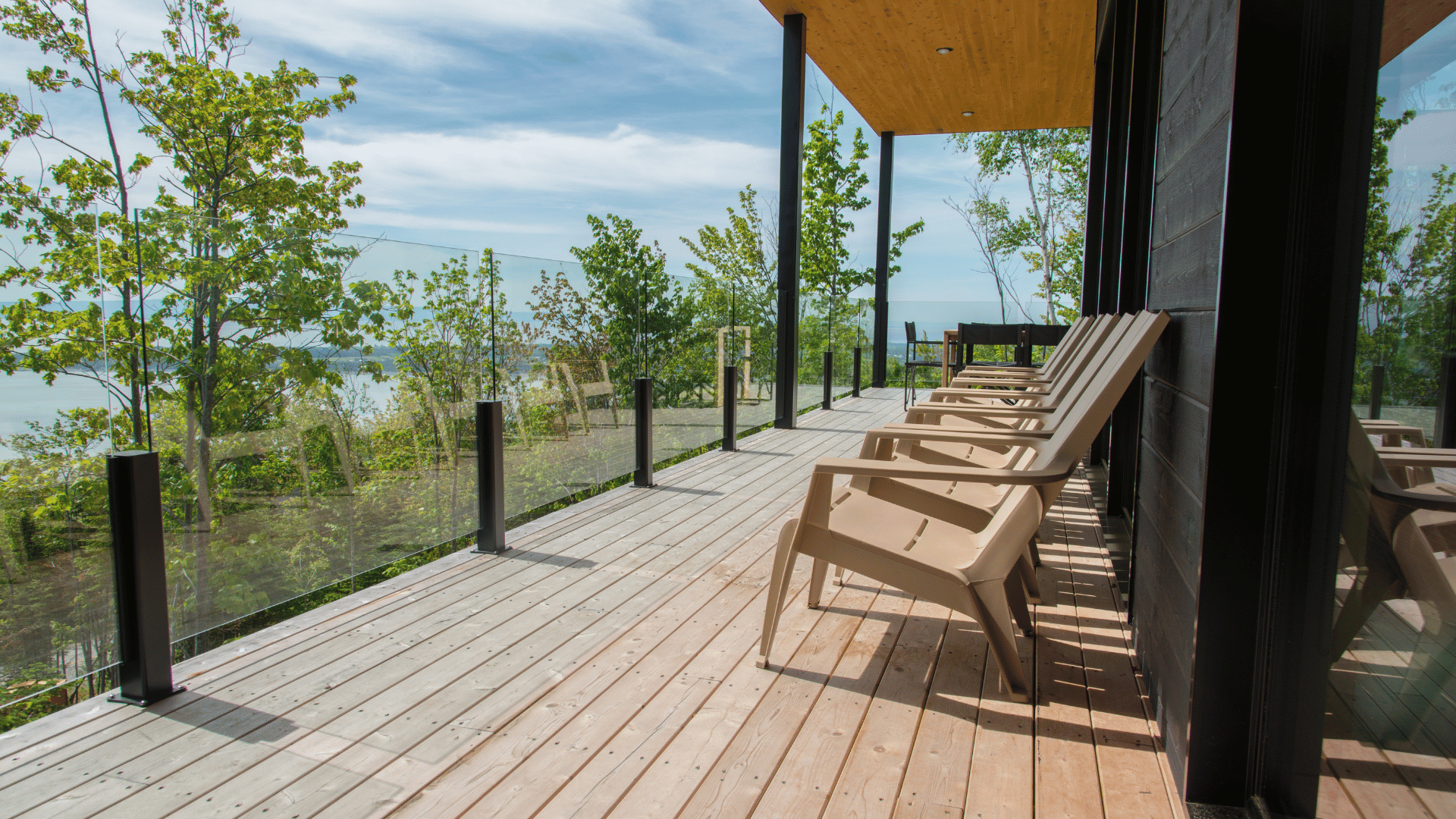
We check falls, services, and stormwater exits before committing to footing positions or final deck height.
Stumps, concrete pads, or screw piles are selected to suit engineering requirements and site conditions.
Framing, decking boards, fascia, steps, and landings are installed with movement, drainage, and access in mind.
Handrails, screening, oiling or coating systems, and maintenance notes are completed before handover.
We stage deliveries so long timber packs sit off the lawn on bearers, and we protect existing paving when heavy mixes move through. Noise concentrates during cutting days, and we communicate when concrete trucks or crane lifts need the kerb. Final wash removes metal shavings before kids walk barefoot, and we hand over a care card for re-oiling or composite washing intervals.
Loads are calculated, not guessed, before posts land on your paving.
Flashing and clearance gaps stop moisture tracking into wall cavities.
Storage benches and BBQ surrounds tie visually to interior cabinetry if you want continuity.
Most elevated structures trigger municipal reporting or permits when they exceed set heights or floor areas. We confirm Glenelg Shire or your local council pathway during quoting so inspections and documentation align with the Building Act 1993 framework before footings are poured.
Hardwoods with correct durability ratings suit many coastal decks when maintained. Composites reduce oiling but still need correct joist spacing and clip systems. We walk you through heat retention underfoot, budget, and sustainability preferences before locking the schedule.
Yes. We check threshold heights for weathertightness, install rebated flashing where required, and adjust finishes so door travel stays smooth. If step-down limits cannot be met, we suggest landing platforms or ramped approaches that still meet slip-resistance guidance.